

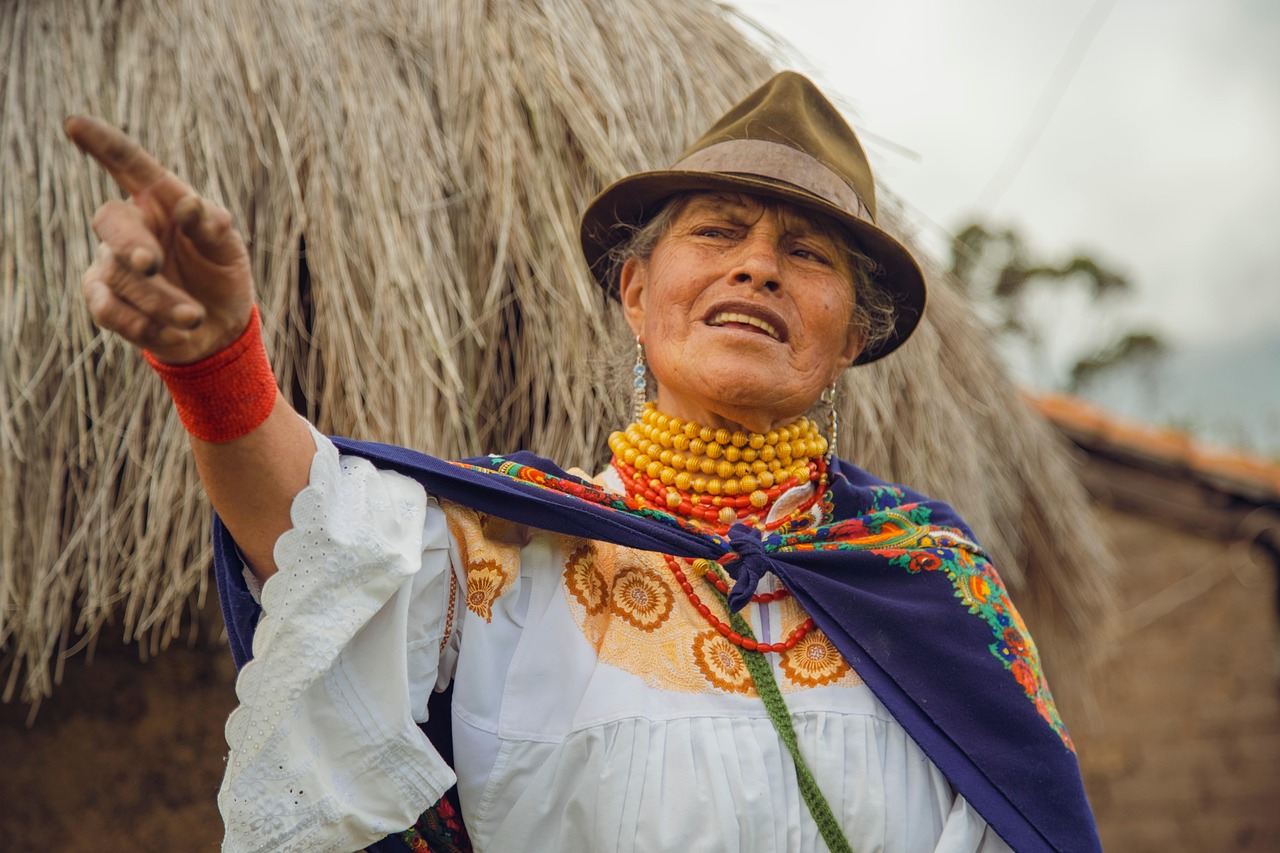
In an era defined by rapid technological advancement and global interconnectedness, the concept of traditional culture has become more than just a nod to the past—it is a vital anchor for identity and community. Traditional culture encompasses the beliefs, customs, arts, and social institutions passed down through generations, serving as a blueprint for how societies navigate the complexities of life. By understanding and preserving these traditions, we gain unique perspectives on human resilience, creativity, and the fundamental values that bind us together in an ever-changing world.
The Significance of Preserving Traditional Culture
Building a Sense of Identity
Traditional culture provides individuals with a framework for understanding their origins. It offers a sense of belonging that is often lacking in a transient, digital-first world. When people engage with their heritage, they feel a tangible connection to their ancestors.
- Cultural pride: Encourages self-esteem and community solidarity.
- Intergenerational bonding: Traditions are often the primary medium through which stories and wisdom are passed from grandparents to grandchildren.
- Anchoring effect: Provides stability during times of rapid societal transition.
Cultural Sustainability and Diversity
The loss of traditional knowledge—such as indigenous medicine, sustainable agriculture, or artisan craftsmanship—is an irreparable blow to global biodiversity and human knowledge. According to UNESCO, nearly half of the world’s 7,000 languages are endangered, carrying with them the death of unique cultural expressions.
Actionable Takeaway: Support local artisans and language-preservation projects to ensure these unique expressions remain a part of our global tapestry.
Key Elements of Traditional Culture
Folklore, Oral Histories, and Language
Language is the vessel of culture. Beyond vocabulary, it contains the metaphors, idioms, and oral histories that define a group’s worldview. Folklore serves as a repository for moral lessons, history, and scientific observations coded in stories.
- Oral storytelling: Enhances critical thinking and cultural preservation.
- Language immersion: Essential for keeping cultural nuance alive.
Traditional Arts, Crafts, and Architecture
Material culture—such as ceramics, weaving, or building techniques—is a direct manifestation of a culture’s interaction with its environment. For example, traditional architecture (like the Japanese minka or the Bedouin tent) is perfectly optimized for local climates and available resources.
Practical Example: Look at the Ikebana (Japanese flower arranging) or Kente cloth weaving from Ghana; both are not just artistic, but meditative practices that embody philosophical values like patience and harmony.
Traditional Culture in the Modern Workplace
Fostering Inclusive Environments
Integrating traditional practices into corporate settings can lead to more inclusive and empathetic workplaces. By celebrating diverse cultural backgrounds, companies can improve team morale and foster creativity.
- Cultural Exchange Days: Encourage employees to share traditional foods or stories.
- Respecting Traditions: Create flexible scheduling for important cultural or religious holidays.
Lessons in Sustainability and Ethics
Many traditional cultures possess an innate understanding of environmental stewardship. Indigenous land-management techniques, such as controlled burning or rotational farming, are increasingly being studied by modern scientists to combat climate change.
Actionable Takeaway: Consider adopting “slow living” principles found in traditional cultures, such as eating seasonal, locally sourced foods to reduce your environmental footprint.
Navigating the Challenges of Modernization
Balancing Progress and Heritage
The challenge lies in avoiding “cultural fossilization.” True traditional culture is dynamic; it evolves alongside the people who practice it. It should not be treated as a museum piece but as a living, breathing set of practices that can adapt to the 21st century.
The Role of Technology in Preservation
Digital tools are double-edged swords. While globalization can lead to cultural homogenization, technology also offers unprecedented ways to document, archive, and revitalize traditional knowledge.
- Digital Archives: Recording oral histories via podcasts or online repositories.
- Global Platforms: Using social media to showcase traditional crafts to a worldwide audience, creating new economic opportunities for local artists.
Conclusion
Traditional culture is not a relic of a bygone era; it is a living foundation that supports our identity, fuels our creativity, and guides our moral compass. By actively engaging with our heritage and respecting the diverse customs of others, we do more than just “preserve the past”—we create a more meaningful and connected future. Whether through learning a traditional craft, participating in cultural festivals, or simply keeping local oral histories alive, each of us plays a role in sustaining the richness of human experience. Let us cherish these traditions not as rigid rules, but as timeless expressions of our shared human spirit.