

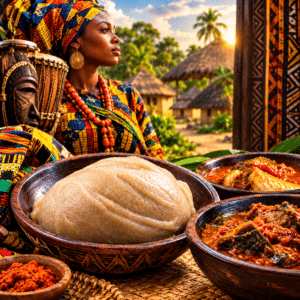
Amala is more than just a staple food; it is a cultural icon and a nutritional powerhouse deeply rooted in the heart of West African cuisine. Traditionally prepared from yam flour, this smooth, dough-like swallow has transitioned from regional kitchens to global culinary recognition. Whether you are a curious food enthusiast or someone looking to incorporate traditional, fiber-rich options into your diet, understanding the art of making and consuming Amala is an essential journey into Nigerian gastronomy.
Understanding the Origins and Composition of Amala
The Traditional Source: Elubo
The foundation of a perfect Amala is Elubo. This is a flour derived from dried yam peels, which are processed, ground, and sieved to create a fine, dark-colored powder. The unique color and deep, earthy flavor of Amala are directly tied to the process of oxidation during the drying of the yam tubers.
- Yam varieties: Typically made from white yam (Dioscorea rotundata) or water yam.
- Processing: Peeling, parboiling (sometimes), sun-drying, and milling.
- Nutritional profile: A great source of complex carbohydrates and dietary fiber.
Variations Beyond Yam
While yam flour is the standard, modern dietary trends have popularized other variations:
- Amala Ogede: Made from unripe plantain flour, known for its lower glycemic index.
- Amala Cassava: Made from fermented cassava flour (Lafun), which is lighter in texture.
The Nutritional Value and Health Benefits
A Complex Carbohydrate Powerhouse
Amala is widely praised for being a healthier alternative to processed “swallows” like white flour-based pasta or refined semolina. Because it is high in fiber, it aids in digestion and helps regulate blood sugar levels, making it a preferred choice for those managing Type 2 diabetes or aiming for weight management.
- Low Glycemic Index: Specifically for the plantain (Ogede) variant.
- Fiber Content: Supports gut health and provides sustained energy.
- Rich in Micronutrients: Contains essential vitamins and minerals like Vitamin C and potassium.
Practical Tips for a Healthy Plate
To maximize the health benefits of your Amala meal, consider the following:
- Pair it with vegetable-heavy soups like Efo Riro (spinach stew) rather than heavy, oily meat-based sauces.
- Practice portion control by balancing one part swallow to two parts soup and protein.
Mastering the Art of Preparation
The Step-by-Step Cooking Process
Achieving the perfect texture—smooth, lump-free, and malleable—is a skill that requires practice. Follow these steps for success:
- Bring a pot of water to a rolling boil.
- Reduce the heat and gradually sprinkle the yam flour (Elubo) into the water.
- Use a wooden stirrer (omo-orun) to vigorously mix the flour into the water to avoid lumps.
- Add a small amount of hot water, cover the pot, and allow it to steam for 3-5 minutes.
- “Turn” the Amala again until you achieve a soft, consistent, and smooth dough.
Troubleshooting Common Issues
- Lumpy Amala: Usually caused by adding flour too quickly. Fix this by adding a tiny bit more water and stirring aggressively.
- Too Hard: Simply add a little hot water, cover, and steam for an extra two minutes before stirring.
Cultural Significance and Pairing Traditions
The “Owanbe” Experience
In Nigeria, Amala is synonymous with celebration. It is a star dish at weddings and parties, often served with Gbegiri (bean soup) and Ewedu (jute leaf soup). This combination, popularly referred to as “Abula,” is a flavor symphony that balances texture, earthiness, and spice.
Recommended Pairings for a Balanced Meal
To create an authentic and balanced culinary experience, serve your Amala with:
- Ewedu Soup: A light, mucilaginous soup that aids digestion.
- Gbegiri: Provides a creamy, protein-packed contrast to the dough.
- Assorted Proteins: Including stewed beef, cow skin (ponmo), or fish for added texture and nutrition.
Conclusion
Amala is a testament to the sophistication of traditional African cooking, offering a unique blend of texture, nutrition, and cultural history. By understanding the sourcing of high-quality yam flour, mastering the technique of smooth preparation, and pairing it with fiber-rich soups, you can transform this traditional staple into a modern, health-conscious meal. Whether you are recreating a home-cooked memory or exploring new global flavors, Amala remains a versatile and delicious cornerstone of a well-rounded diet.